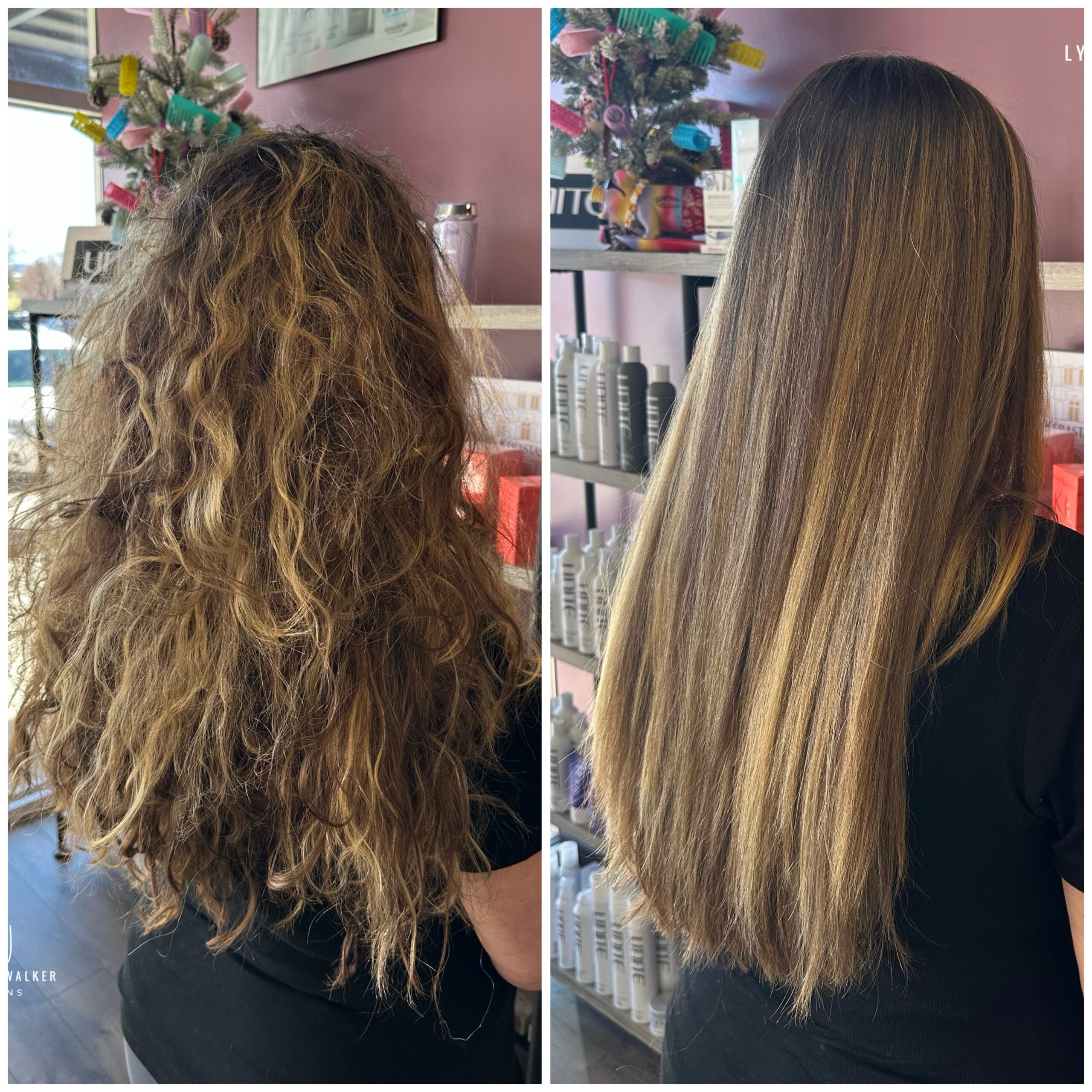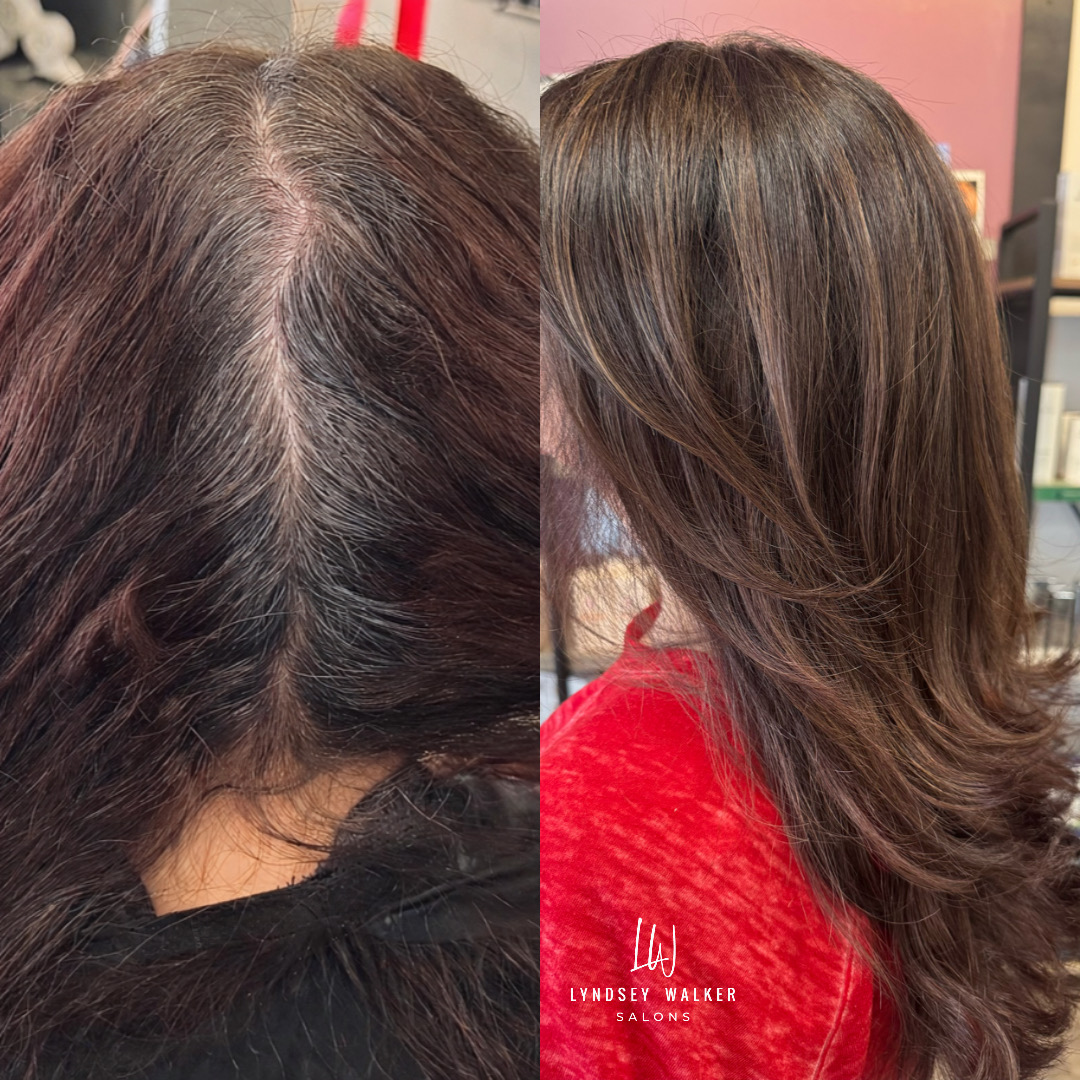

Balayage has quickly become one of the most requested services in modern salons, and for good reason. This technique offers a natural, sun-kissed glow with results that feel effortless and uniquely tailored to each individual. As more guests search for hair color that complements their lifestyle, maintenance schedule, and personal style, balayage stands out as a beautiful balance between artistry and practicality.
What Is Balayage?
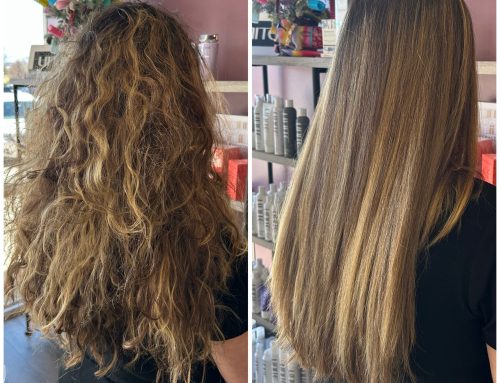
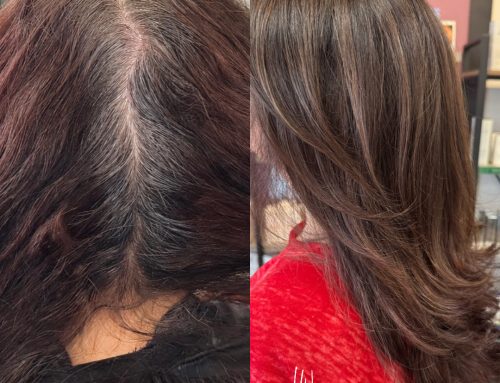
Balayage is a freehand hair-painting technique that creates a soft, blended gradient of color. Instead of using traditional highlighting techniques or complete saturation from root to tip, balayage allows the colorist to sweep lightening product across the surface of the hair in targeted sections. This creates a look that mimics how the sun naturally lightens the hair over time. The result is dimension, movement, and brightness that never looks harsh or overly processed.
The word balayage comes from the French term meaning “to sweep” or “to paint,” which perfectly describes the technique. Rather than relying on mechanical precision, balayage relies on the artistry and vision of the colorist. It is a method based on placement, flow, and the natural fall of the hair. Because of this, no two balayage applications are exactly alike, even when performed by the same stylist. It is not simply a technique; it is a stylistic approach that values customization and creativity.
A Relatively New Trend in Modern Salons
Even though balayage as a technique originated in France decades ago, it has only recently made its way into mainstream popularity. For many years, traditional highlighting methods like foil highlights, full color, and ombré dominated the hair-coloring world. Balayage first began gaining traction among celebrities, models, and beauty influencers who desired more subtle, natural-looking color that photographed well and grew out gracefully. Social media played a major role in popularizing the trend, as clients saw the soft transitions and bright yet gentle finishes that balayage could achieve.
What makes balayage feel new compared to older methods is the intention behind it. Earlier trends often focused on dramatic contrast or uniform brightness. Balayage, on the other hand, celebrates dimension, softness, and movement. It allows clients to enjoy brightness without the rigid maintenance schedule associated with foils or all-over color. Salons across the world have adopted balayage as a staple service, and colorists continue to develop new techniques, placements, and product innovations that push the style forward. While balayage is now widely known, its fresh, modern look continues to evolve, keeping it at the forefront of contemporary color trends.
How the Balayage Technique Works
The true magic of balayage comes from the stylist’s approach. To begin, the colorist evaluates the client’s natural hair color, existing color, haircut, and desired final look. Since balayage is fully personalized, this consultation process is essential. The stylist must understand how the client wants their color to look both immediately and as it grows out over time.
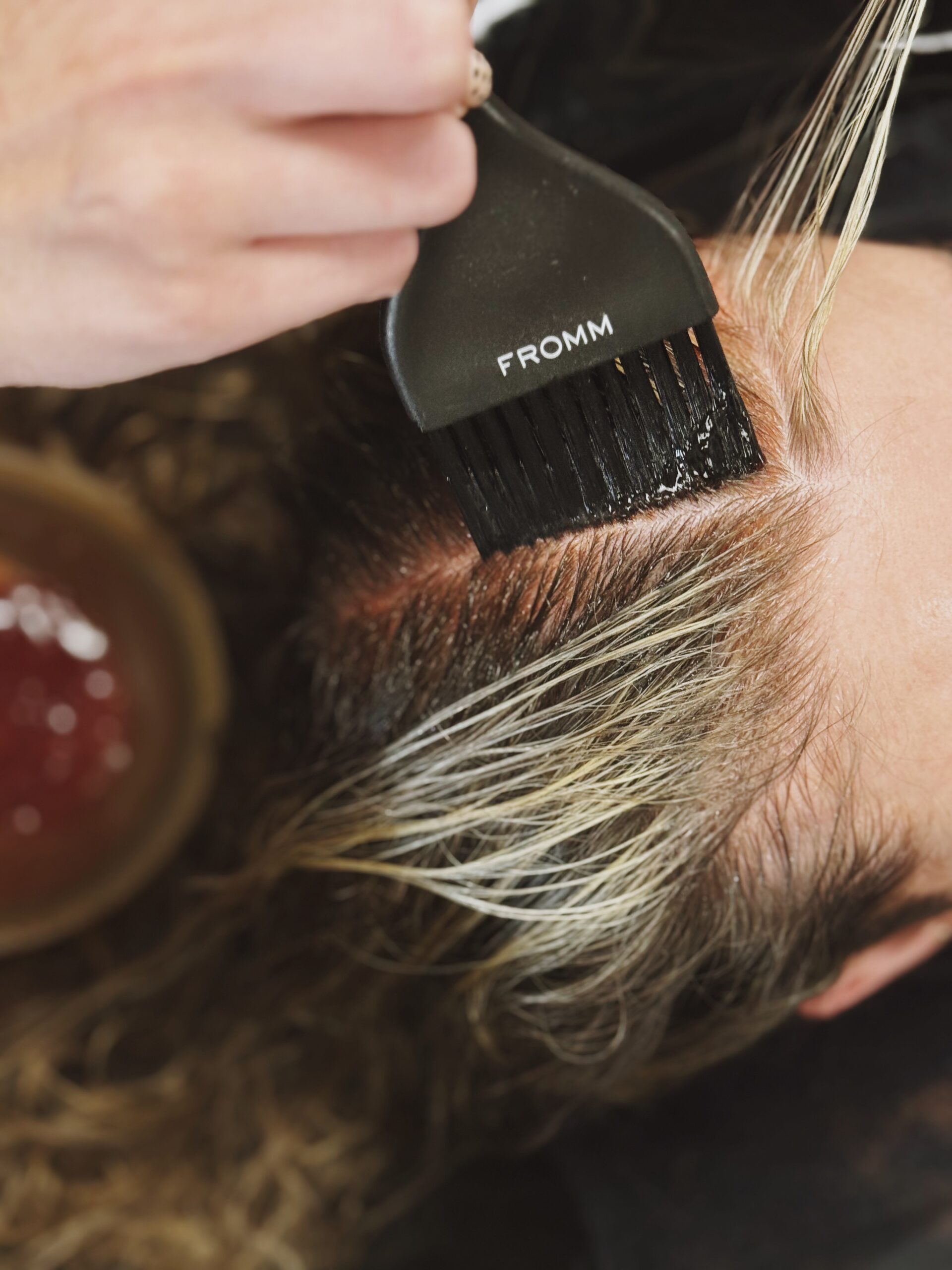
During application, the stylist uses a brush to paint lightener onto selected pieces of hair. These pieces are chosen strategically: some may be thicker for brightness, some finer for softness, and others placed where the sun would naturally hit. Unlike traditional highlights, balayage typically avoids applying lightener all the way to the root. Instead, the color begins slightly lower, creating a more natural transition and eliminating the risk of harsh regrowth.
The placement is customized based on face shape, haircut, and the way the hair moves. For example, a stylist may add brighter pieces around the face to create a framing effect or place lighter strands throughout the ends to create more dimension. The stylist also controls saturation, deciding how light or soft each section should be. Because the technique is freehand, it gives the stylist full control over the final look, allowing for endless variations.
Low-Maintenance Beauty
One of the top reasons clients love balayage is its low-maintenance nature. Unlike traditional highlights, which often require root touch-ups every six to eight weeks, balayage grows out softly. The painted placement and lack of severe root lines mean that clients can often go several months between appointments without their color looking harsh or unkempt. For many people, this is a significant advantage. Busy schedules, travel, family life, or simple personal preference make it unrealistic to maintain a high-frequency color schedule.
Because balayage grows out naturally, clients can choose how often they return for touch-ups. Some prefer to refresh their brightness every few months, while others may come in only twice a year for a full or partial balayage session. In between, glosses or toners can be used to refresh the tone, enhance shine, and maintain the perfect shade. This flexibility makes balayage ideal for those who want beautiful color with minimal maintenance.
A Completely Personalized and Tailored Service
Every balayage is unique because the technique is built around personalization. No two clients have the same natural color, hair texture, skin tone, lifestyle, or style preferences, so the process begins with understanding who the client is and what they want to express through their hair.
Color placement: The stylist decides where brightness will enhance the client’s features. For example, a soft halo of lighter pieces around the face can frame and illuminate, while deeper tones in the interior add depth.
Tone selection: From cool ash blondes to warm honey shades, caramel ribbons to rich brunettes, balayage can be customized to complement the client’s skin tone and personal style. The final tone is selected with precision to create a cohesive look.
Contrast level: Some clients want high-impact brightness with lots of contrast, while others prefer a very soft, natural blend. Because balayage isn’t tied to rigid patterns, the colorist can create as much or as little contrast as desired.
Adaptation to haircut and texture: Balayage works beautifully with straight, wavy, curly, or textured hair. The way the stylist places highlights depends on how the hair moves, how layers fall, and where volume naturally sits. This ensures the color enhances the haircut instead of competing with it.
Long-term color planning: Since balayage grows out gracefully, stylists can create long-term color strategies. For example, a guest may want to gradually go lighter over several appointments, or they may want to maintain a consistent level of brightness all year. Either way, balayage allows for a flexible plan tailored to each individual.
Why Clients Continue to Request Balayage
Balayage remains one of the most in-demand salon services because it strikes the perfect balance between effortless, natural beauty and artistic customization. Clients love that it gives them the bright, dimensional look they see in magazines and social media while still feeling approachable and easy to maintain. Stylists love it because it allows them to be creative and craft looks that reflect their clients’ personalities.
The technique’s ability to evolve keeps it relevant. Modern balayage may include foilayage (a hybrid of balayage and foiling for extra lift), root melts, or color melting techniques that create even softer blends. As trends shift, balayage adapts, making it a versatile option for nearly every hair type and personal style.
Balayage is more than a hair-coloring method; it is an artistic approach that celebrates individuality, creativity, and natural beauty. Its relatively recent rise in popularity reflects a larger movement toward personalized, low-maintenance hair color that enhances rather than masks. With its soft transitions, customized placement, and effortless grow-out, balayage continues to be a beloved choice for clients who want hair that feels both modern and timeless. For anyone seeking color that highlights their natural beauty while offering flexibility and ease, balayage is the perfect blend of style and simplicity.