
One of the most difficult parts of someone’s hair journey is dealing with aging hair. Most commonly is the transition someone experiences when their hair turns grey and white. Everyone can relate to this struggle because their hair just is not the same as it was in their 20’s, 30’s, 40’s or even 50’s. It may not style the same way, it will often feel more coarse, and overall, just present an array of new challenges. Becoming more educated about your natural hair changes can help you regain confidence and learn how to work with your new head of hair.
Natural Hormonal Changes
As people age, natural hormonal changes significantly influence the condition and appearance of hair. Shifts in hormones such as estrogen, testosterone, and thyroid hormones can alter the hair growth cycle, often leading to slower growth and hair thinning. This can be a frustrating process for both men and women as their hair becomes thinner altering the hair they have known their whole life. These biological changes can also affect scalp health, oil production, and overall hair resilience, creating unexpected problems.
The transition to gray hair is another common aspect of aging and is often accompanied by noticeable changes in texture. As pigment-producing cells decline, new gray strands may feel coarser, drier, or more wiry compared to previously pigmented hair. Both men and women frequently report that gray hair behaves differently, sometimes becoming more resistant to styling or lacking the smoothness it once had. In addition to graying and thinning, hair may lose its natural shine and elasticity over time, requiring adjustments in care routines to maintain its health and appearance.
Coloring Greys
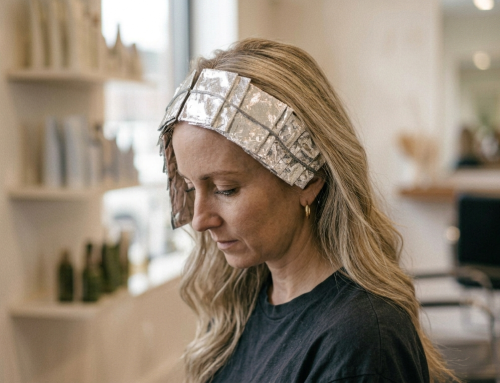
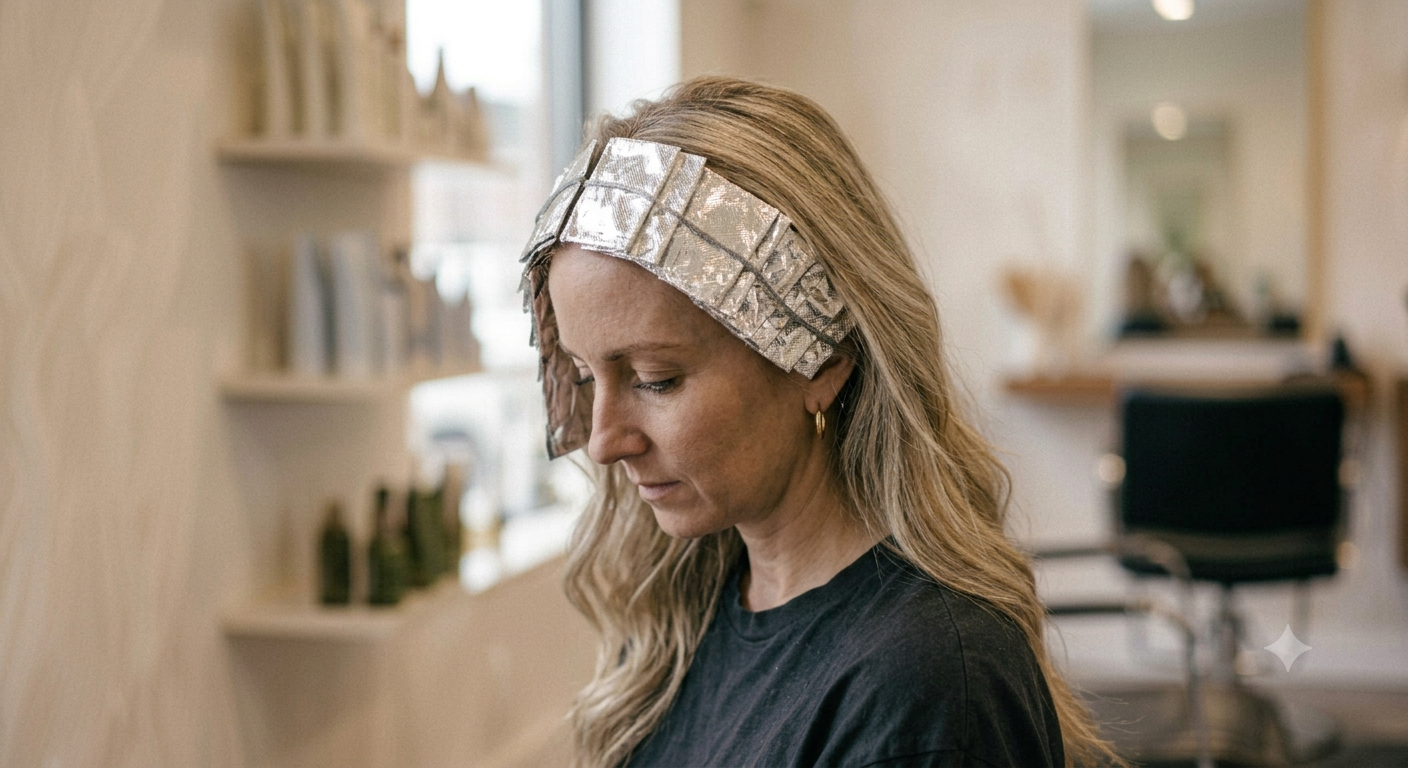
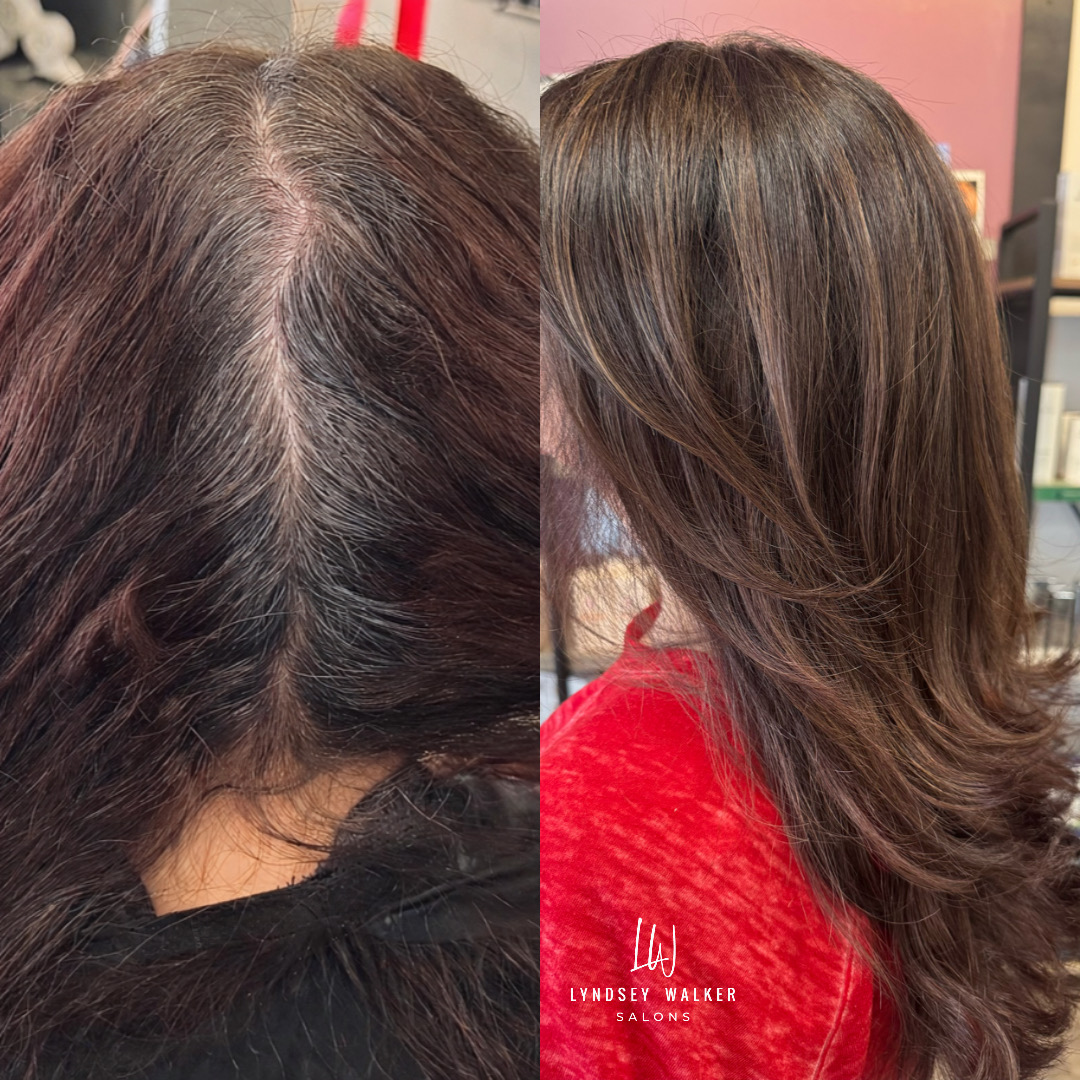
As gray hair emerges, many people choose to address it with either full coverage color or blending techniques, depending on their desired level of maintenance and overall look. Permanent hair color is a common option for fully covering grays. Permanent color enters the hair shaft itself instead of just coating the outside. This creates a full coverage look for pesky greys, ideal for those who do not want to see any grey at all.
While this is a common and preferred approach for many, there are definitely some things to be aware of during this process. This approach can often require regular root touch-ups every few weeks as new growth appears. Additionally, permanent color can be more drying over time, especially since gray hair is already prone to a coarser and drier texture.
An alternative approach is using highlights or lowlights to blend gray hair rather than completely covering it. This technique softens the contrast between pigmented and non-pigmented strands, creating a more natural, dimensional effect as the hair grows out. One of the main benefits is lower maintenance, since regrowth tends to be less noticeable and appointments can be spaced further apart. However, highlights do not fully conceal gray hair, which may be a drawback for those seeking complete coverage. Choosing between these methods often depends on lifestyle, hair condition, and personal preference, as both options can be tailored to compliment changing hair texture and density.
Growing Out the Greys
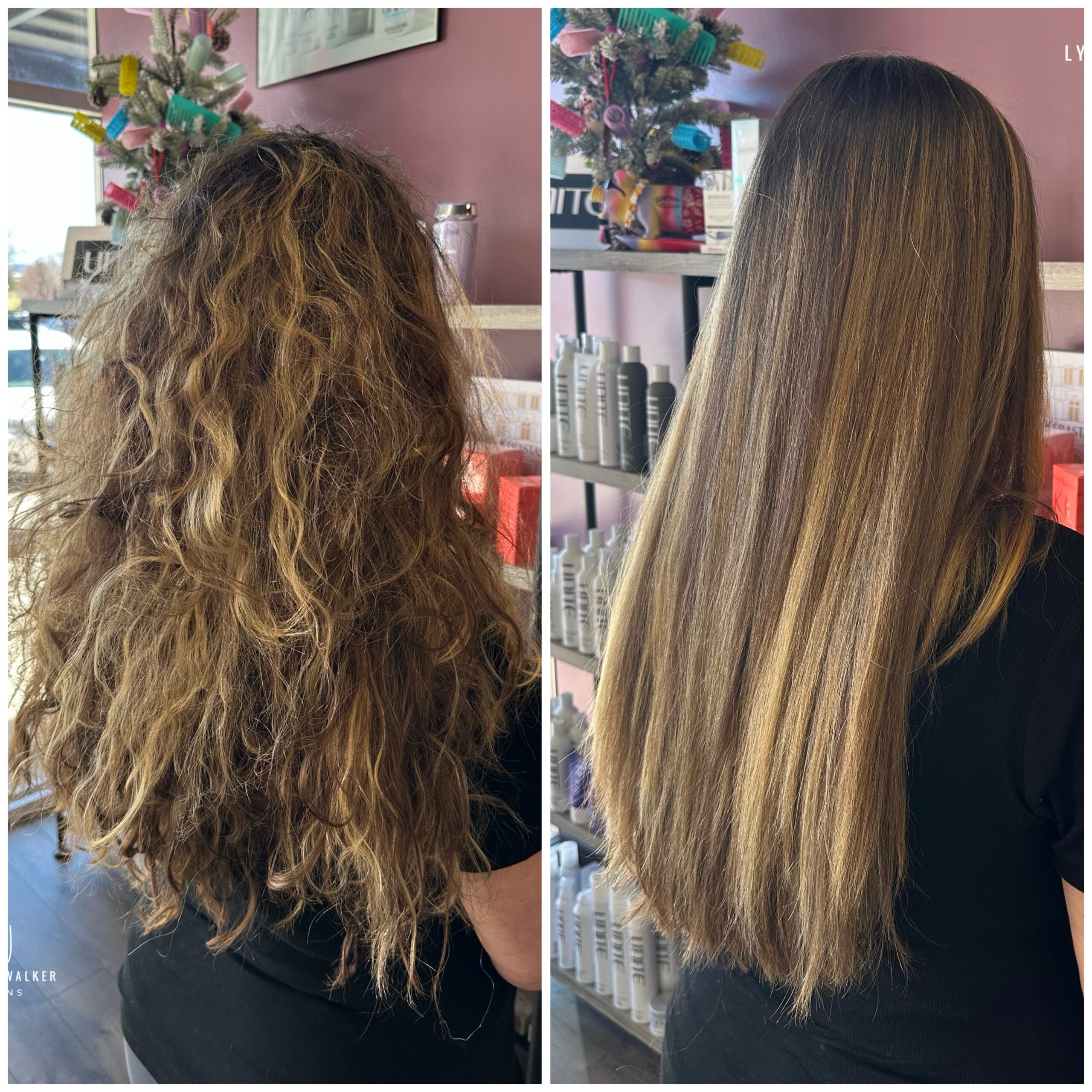
Once coloring outgrows your lifestyles and preferences, begins the process of growing out your grey hair. Growing out gray hair is often a gradual process that requires patience and a willingness to embrace change over time. Because previously colored hair must grow out fully, the transition period can last several months to a few years, depending on hair length and growth rate. During this phase, a visible line of demarcation typically appears between the natural gray roots and the existing color, which can feel challenging for some individuals. With this painful process, every head of hair deserves to be treated with luxury whether its a deep conditioning treatment for the new texture or a clean haircut to cut off dead ends.
New Habits for New Hair
As hair changes with age and the introduction of gray, it often becomes necessary to experiment with different approaches to maintain a look that feels both manageable and flattering. Adjusting the haircut can make a significant difference, as certain styles can enhance volume, reduce the appearance of thinning, or better compliment new texture. Some individuals find that shorter or layered cuts help gray hair appear more intentional and easier to style, while others may prefer to maintain length with added shaping for movement.
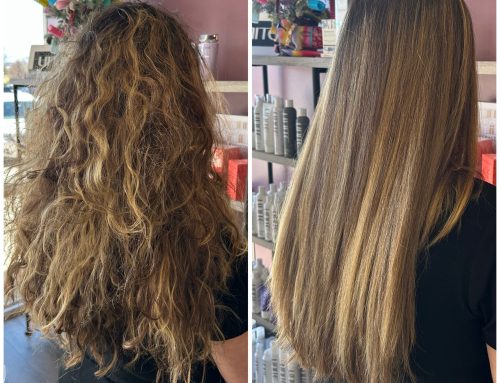
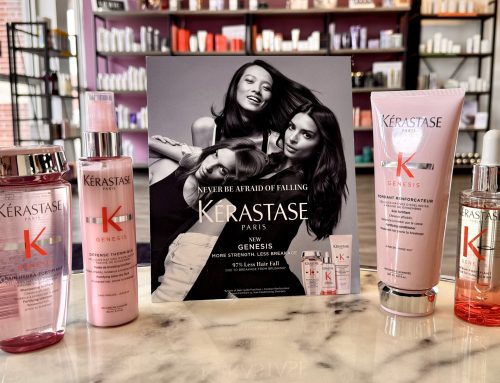
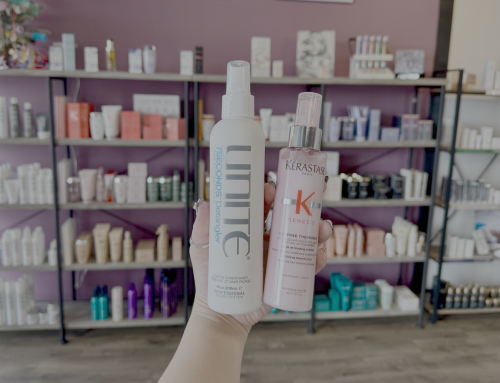
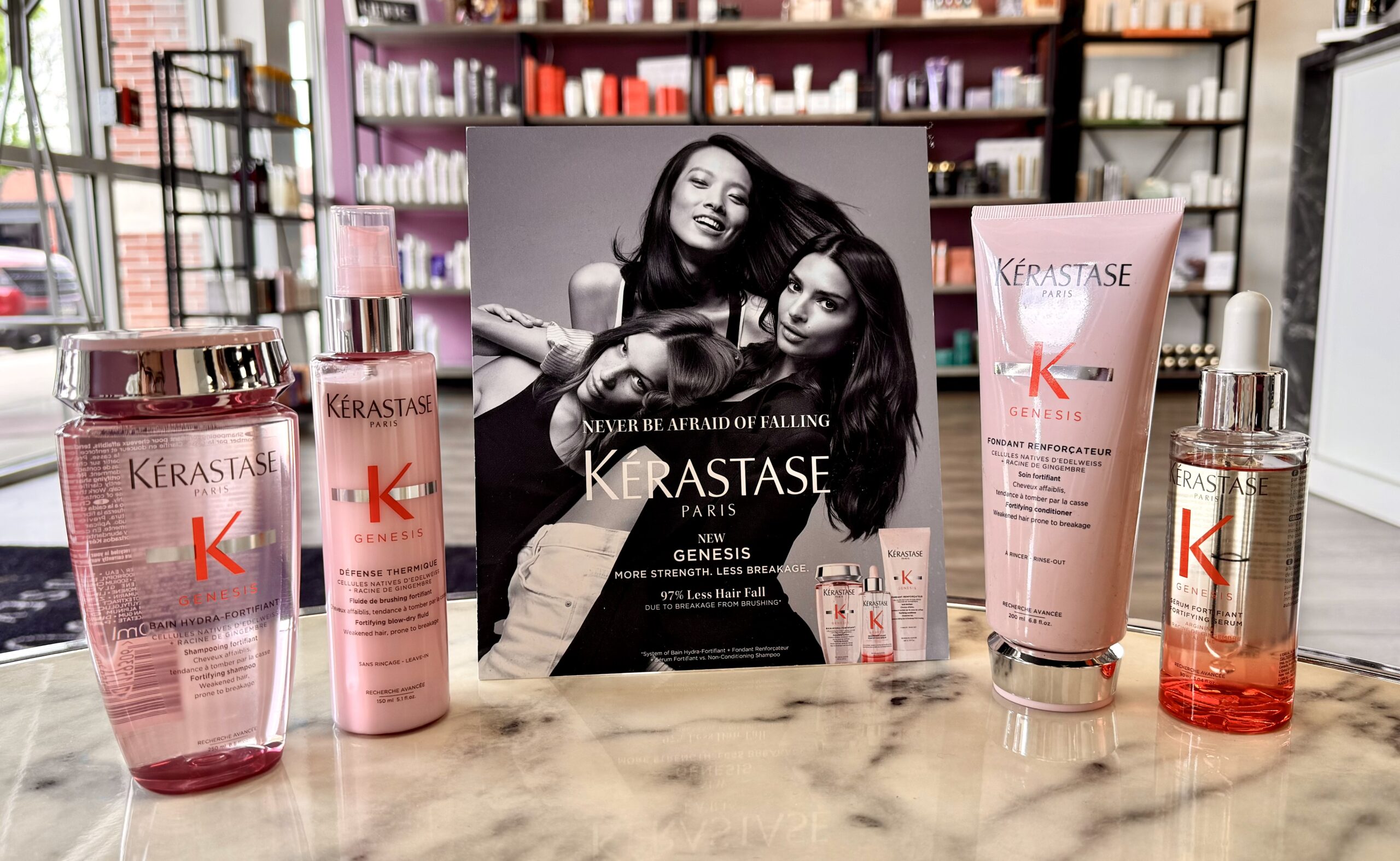
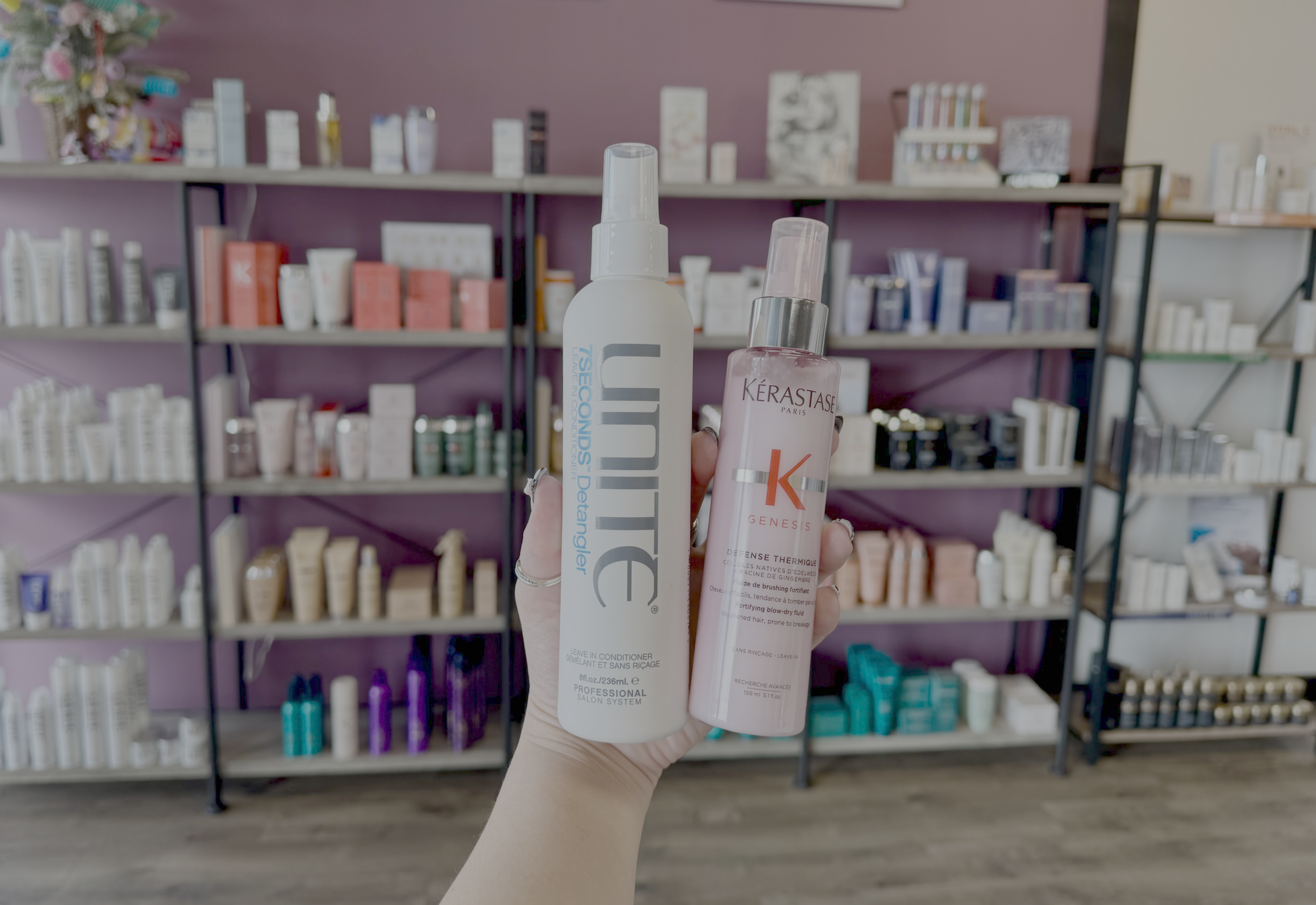
Trying new products and styling techniques is key to understanding how to work with evolving hair texture. Gray hair often benefits from increased moisture, so incorporating hydrating shampoos, conditioners, and styling products can improve softness and manageability. Heat styling, air drying methods, or embracing natural texture can all produce different results, making experimentation an important part of the process. Over time, this trial and adjustment period allows individuals to discover what works best for their hair’s unique characteristics, helping them build a routine that supports both the health and appearance of their new hair.
Regaining Confidence
Emotionally, the process of learning to handle or embrace grey hair can feel like a journey, as it often involves redefining personal style and expectations around appearance. Some people find it empowering to embrace their natural gray, while others may need time to adjust to the new texture and realities that comes with it. Hair may feel coarser or behave differently as more gray grows in, requiring changes in care and styling routines. With the right approach and realistic expectations, growing out gray hair can become a positive and intentional experience that reflects both personal confidence and evolving beauty standards.