
In the world of high-end hairdressing, precision haircutting is less about trimming the hair and more about architectural design. It is the art of creating a defined shape with systematic accuracy. This is achieved when professional hair stylists consider precise angles, smaller sectioning of the hair, and individual hair structure. This methodical technique ensures that hair falls perfectly into place, grows out gracefully, and requires minimal daily styling.
The Benefits of Precision Haircuts
The biggest benefit about precision haircuts is that it is essentially an investment in your own time. While the technique itself is highly disciplined, the result is meant to keep your home routine effortless and ritualistic. The goal of this cut is to allow your hair to fall into place naturally so that your time styling at home is brought to a minimum, but the elevation of your look remains polished. It is helpful to view this as a trade-off between the salon and home. The nature of a precision cut will require more consistent, routine appointments to keep lines crisp; however, that commitment is rewarded at home when your personal time is reclaimed.
Not only does your morning routine become easier, but your overall look becomes more sophisticated. The sharp, intentional lines of a precision haircut create illusions of density and volume at the ends of the hair with a blunt style cut. This makes precision haircuts an ideal choice for those looking to maximize the appearance of their hair’s thickness and health. Ultimately, this meticulous approach elevates a simple trim into a lasting statement of effortless elegance.
The Technique Behind the Art
There are a variety of factors that professional stylists consider while performing precision haircuts. From the beginning, your individual head of hair is being assessed. Because everyone is unique, there are some fundamental cutting skills that remain a priority, such as the geometry of the head. With four basic areas of the head [the top, sides, back, and nape] stylists are able to feel and analyze your head shape to understand how your hair falls. By mapping out someone’s head shape, stylists are able to ensure their lines are crisp and balanced.
Along with the foundation of your head shape, your face shape is also taken into consideration. Because no one’s face is exactly symmetrical, precision haircuts must take personalization into account for a balanced look overall. A custom precision haircut similarly requires stylists to use geometry to account for features like a strong jawline or a high forehead. By adjusting the elevation and angles of the cut, a stylist can strategically frame these features to enhance your natural profile. This intentional placement of weight and length ensures that the final result feels harmonious and uniquely tailored to you.
Hairdressers have been called magicians for years and for good reason. Precision haircutting requires stylists to predict the future of your hair and how it will play out in daily life. For instance, it is important to be able to anticipate the hair to “jump up” from the wet state to the dry state. This is why using both wet cutting and dry cutting ensures the hair shape is exactly where we want it to be. This forward-thinking approach allows for the most accurate translation of the design, accounting for every natural movement and texture shift that only becomes visible once the hair is dry.
How To Ask For a Precision Haircut
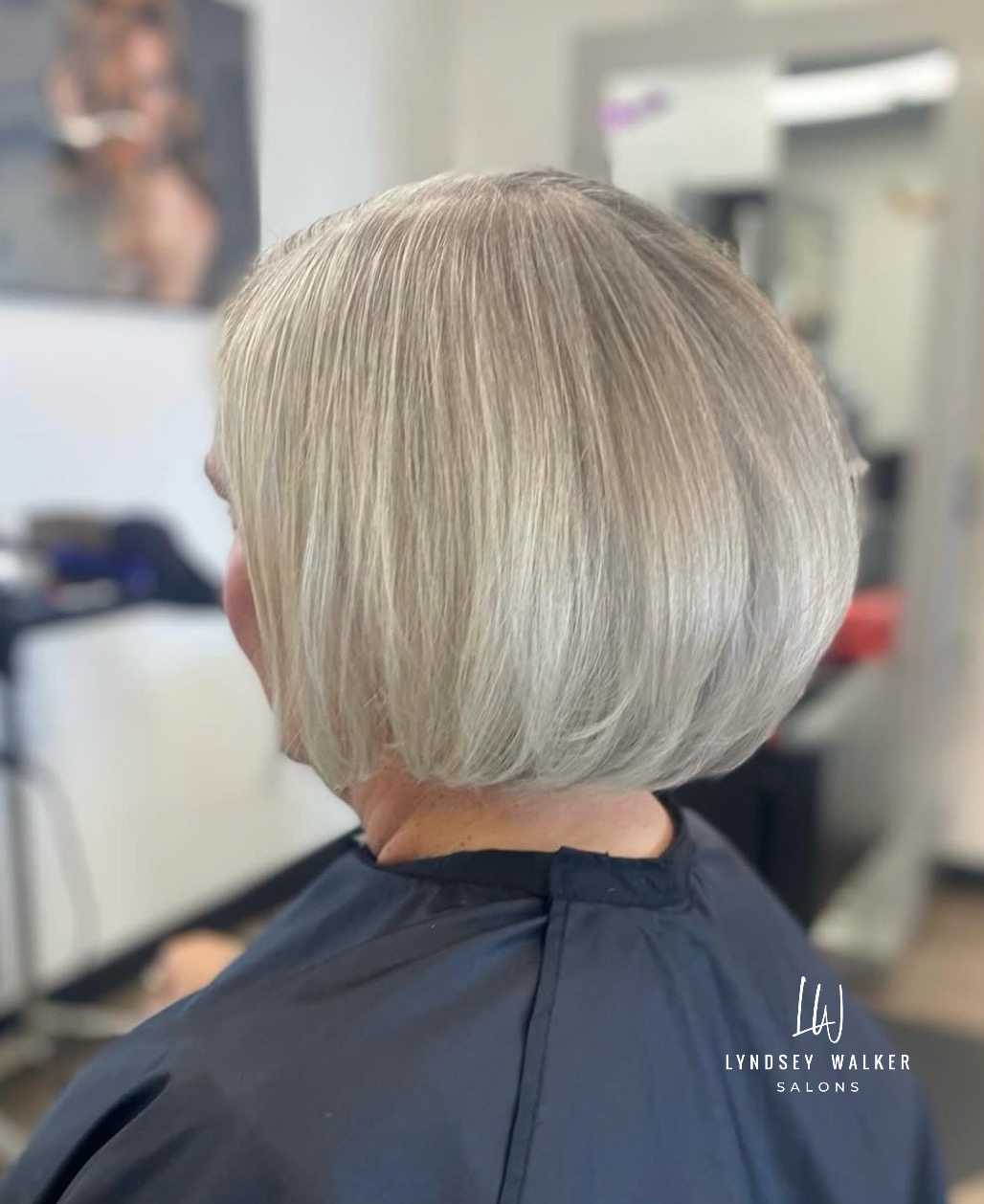
While you don’t have to memorize the different sections of the head, it can be helpful to have some terminology in your back pocket for your next haircut appointment. You may have had a stylist explain some of these terms to you, but not have quite known what they were talking about. For a chic bob, asking for graduation means you are looking for a progressively shorter cut at the back of the neck or the nape. There is a gradual movement that creates a sharp bob hugging the neck. Another style of a precision cut often asked for is the a-line haircut. This look is shorter in the back and longer in the front while maintaining a clean, blunt line at the bottom of the hair.
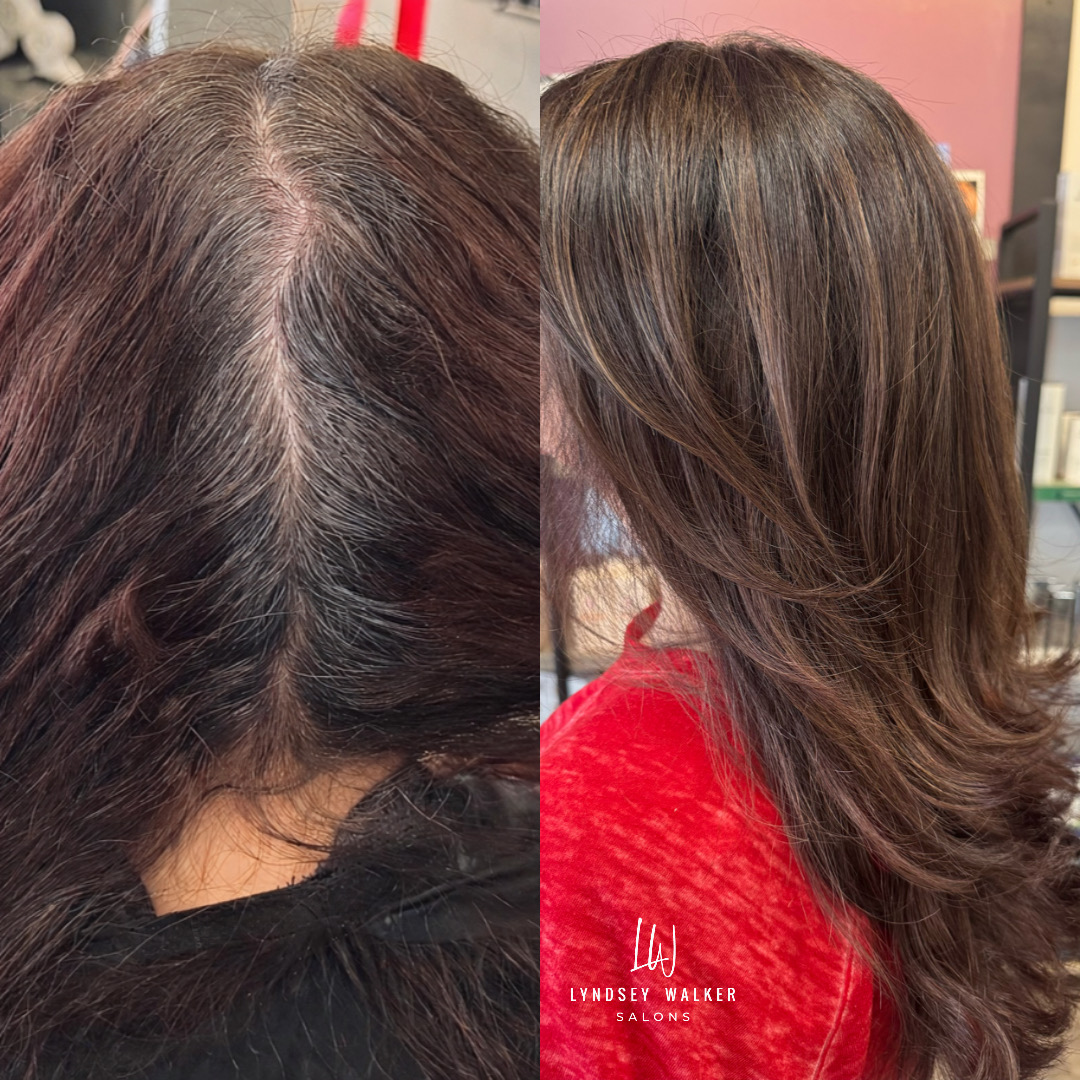
Since shorter cuts require cleaner edges all around, this doesn’t mean that longer cuts have any less detail to them. The precision within a longer haircut focuses on the same priority of making your at-home routine easier. This is achieved by working with natural movement and the shape of the hair, even at longer lengths. If you are looking for fullness at your ends, asking for a blunt cut will emphasize a clean edge, whether your hair is long or short. Asking for face-framing layers is one method that takes precision into account by adding seamless movement without compromising length.
Investing in a precision haircut is an investment in your daily confidence and ease. By blending technical geometry with an artistic eye for your unique features, this approach ensures a sophisticated look that feels as intentional as it does effortless. While the process requires a higher level of skill and attention to detail, the reward is a structured shape that maintains its integrity and polish long after you leave the salon chair.